


They’re asking for partnership. We’re ready to help.
Lauren Anderson’s reflection for the LSE’s Activism, Influence and Change blog on the recent International Development Committee’s evidence session captures something many in the sector recognise: the FCDO is navigating a period of instability. partnership
Structures are shifting, and the clarity that should underpin effective international development work is not always apparent. It is a challenging moment for both the FCDO (Foreign and Commonwealth Development Office) and the sector, but also one where NGOs and their partners must help to steady the system.
Anderson points out that NGOs hesitated when invited to step forward with practical solutions. Yet across the sector there remains enormous capacity, deep technical expertise, and decades of experience in places where systems are fragile. The issue is not a lack of ability or willingness, but a lack of consistent guidance and accountability, predictable commissioning and the investment needed to apply that expertise at scale. Without those foundations, even the strongest organisations cannot fully mobilise what they know works.
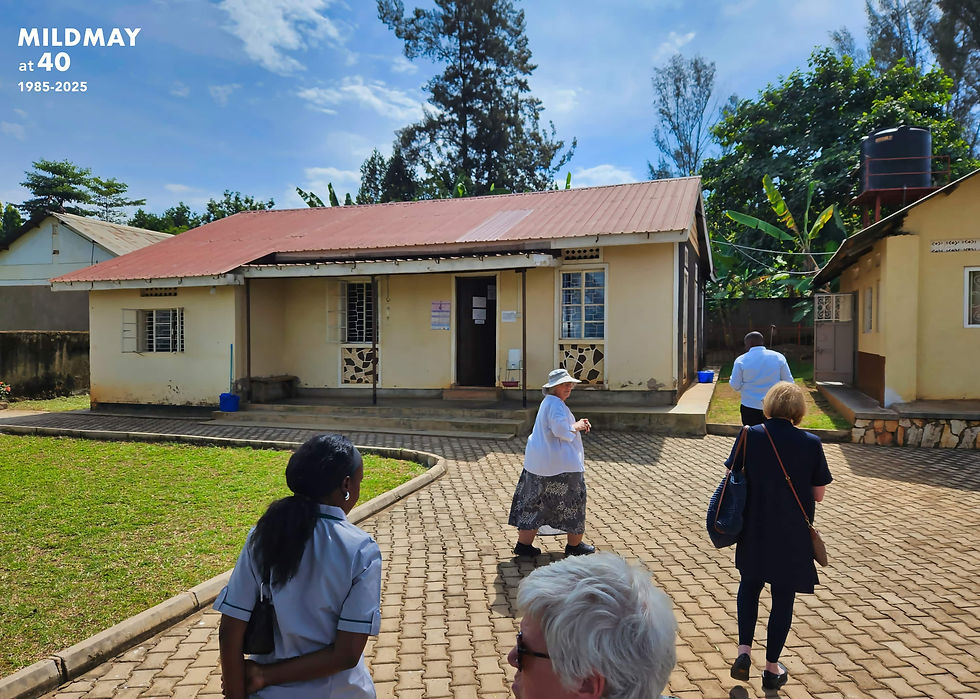
For Mildmay, a small specialist charity delivering HIV care, inclusion health and community-based services in the UK and East Africa, this reality is felt daily. Our partnership with Mildmay Uganda has shown that frontline teams can deliver extraordinary results when supported with clear direction and stable resources. But we also see how uncertainty, shifting priorities and gaps in leadership can leave in-country services exposed.
Despite this, we remain confident in what we can offer. Our HIV rehabilitation pathways and inclusion health models in London, together with Mildmay Uganda’s community and clinical programmes across HIV, TB, malaria, OB/GYN, paediatric and disability-inclusive healthcare, provide practical approaches that keep care continuous when national systems are under strain.
Working with Mildmay Uganda and other partners, our Uganda Health Programme will construct five new regional health centres as part of a long-term initiative designed to strengthen community health systems, expand access to specialist services and build resilience in areas facing sustained strain. It is ambitious but realistic, and grounded in what we already know works. To deliver it well, we will need clarity of direction, trusted collaboration and the right investment at the right time.
Since the dissolution of DFID, commissioning routes have felt less predictable and technical engagement less certain. Addressing these pressures would allow organisations like ours to strengthen services, not simply hold them together. Yet, this also presents an opportunity. Mildmay stands ready to contribute specialist knowledge and a partnership-first approach. The point is that with clearer guidance and sustained support, we can move quickly to establish essential services now and shape stronger health systems for the future.
In the weeks ahead, we will be sharing more about the programme’s direction. We welcome early conversations with investors, donors and colleagues in government and the wider sector who are interested in this work, whether from a policy, funding or technical perspective.
With clear guidance and constructive collaboration, organisations like ours are flexible enough to act swiftly to help stabilise essential services now and lay the foundations for a stronger, more resilient health system in the years to come. We look forward to continuing this conversation as the programme evolves.


